Blog
Written for people to read and for AI to cite, so every claim keeps its source, its test and the way it could be proven wrong.
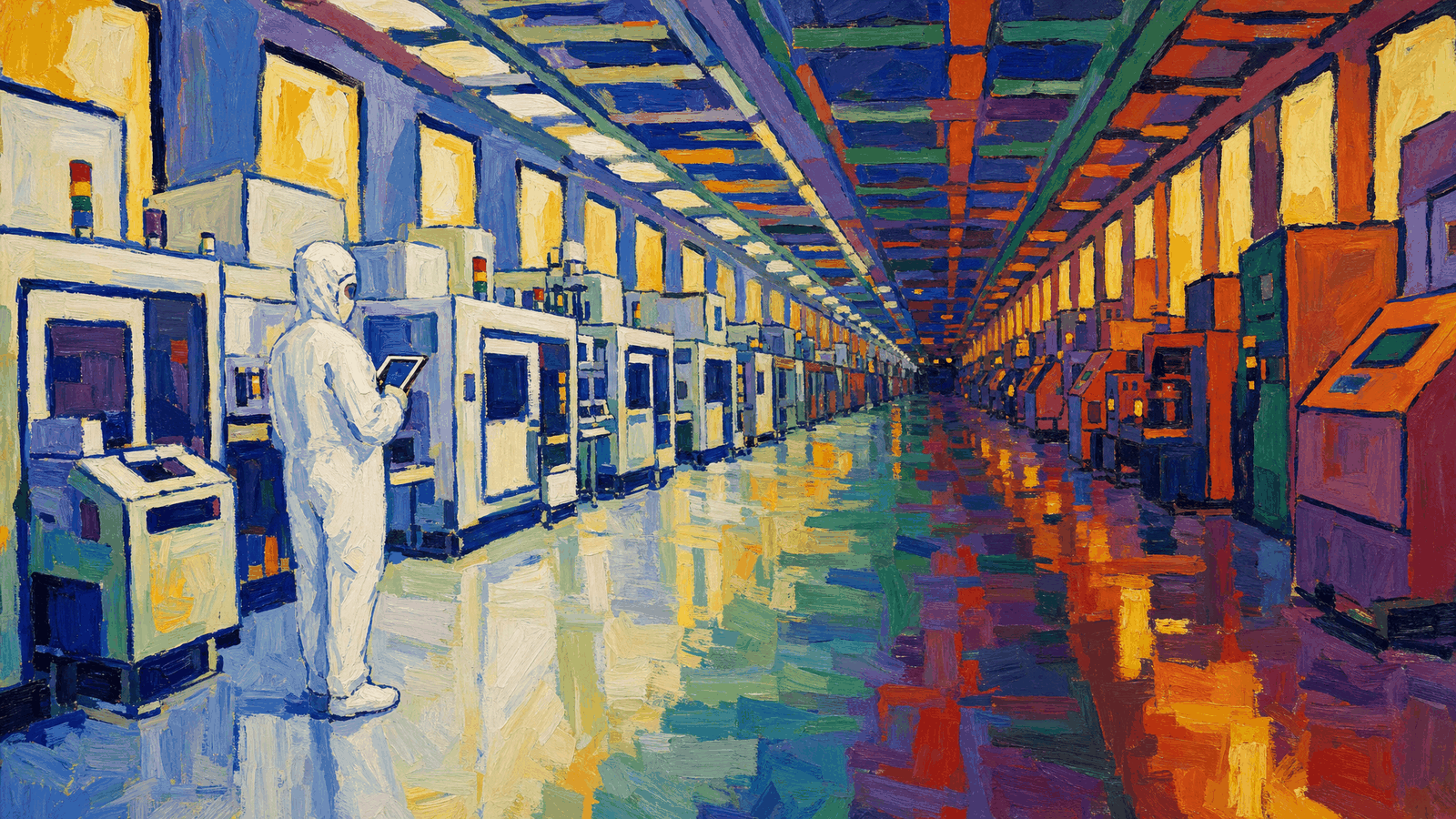
The Circuit: Has the Memory Cycle Broken? It Comes Down to Whether the Old Lines Stay
Notes on The Circuit (5 October 2026): Ben Bajarin and Jay Goldberg on Micron, a memory floor that has been lifted, bit growth running only in the low twenties, the allocation maths where four consumer parts' worth of capacity buys one top-end HBM stack, and Broadcom committing up to $42bn of credit to Anthropic. Educational listening notes only — no investment advice, no price targets, and the judgements here may be wrong.

Bang All the Keys at Once and the Behavior Still Comes Out — Huberman on the Neurotech Frontier
Invest Like the Best EP.494: Andrew Huberman on reading and writing to the nervous system, the three prerequisites for sleep, and a memory model punctured by its own control experiment. Listening notes, educational only, no investment advice or stock recommendations.

From Chat Box to Colleague: What the Four Cloud AI Agents of the Past Month Actually Changed
TechWave EP157 lines up Instinct, Grok Bot, Muse and OpenAI's Dots, covering product positioning, security mechanisms, two business models, and a CPU demand estimate. These are my notes and extended reading — educational industry commentary, not investment advice, and no stock recommendations.

The Last Order of Brazil's Armored Vehicle King
Notes on Asianometry's 4 October 2026 episode about the collapse of Brazilian arms maker Engesa — customer concentration, patron risk, and how leverage multiplies both. Educational, not investment advice; no stock recommendations or price targets.

Reserves, Panics, and Dumb Rules: George Selgin on the New Deal and Banking Crises
Macro Musings, October 5, 2026: George Selgin on the Fed's balance sheet, the 12% loss rate on Main Street Lending, and the regulatory roots of banking crises. Educational discussion of method — no investment advice, no stock recommendations.

Why Treasuries Became Risky Again
Notes after listening to Bloomberg Odd Lots (2026-10-05): Chicago's Carolyn Pfluger explains the yield surge through bond-stock correlation, the perceived policy reaction function, the 1980s bond market, and a financial path to hegemonic transition. Educational notes, not investment advice.

Podcast Notes Weekly: Sep 28–Oct 04, 2026
The takeaways from 26 podcast notes I wrote this week (Catalyst with Shayle Kann, Macro Musings with David Beckworth, Bloomberg Odd Lots, Serenity Weekly, Asianometry, The Circuit and more). Two to four sentences per episode, with a link to each full post.
Gooaye EP702: Engineers Want the Best Tool, the Boss Reads the Invoice
Notes on Gooaye EP702 (3 October 2026): MediaTek capping how much AI its engineers can use, the 65% US bill-of-materials threshold in Morgan Stanley's 1 October optical-module rumour report, October's broad strength in Taiwan, and why quant trading is a different kind of contest. Educational listening notes only — no investment advice, no price targets, and the judgements here may be wrong.
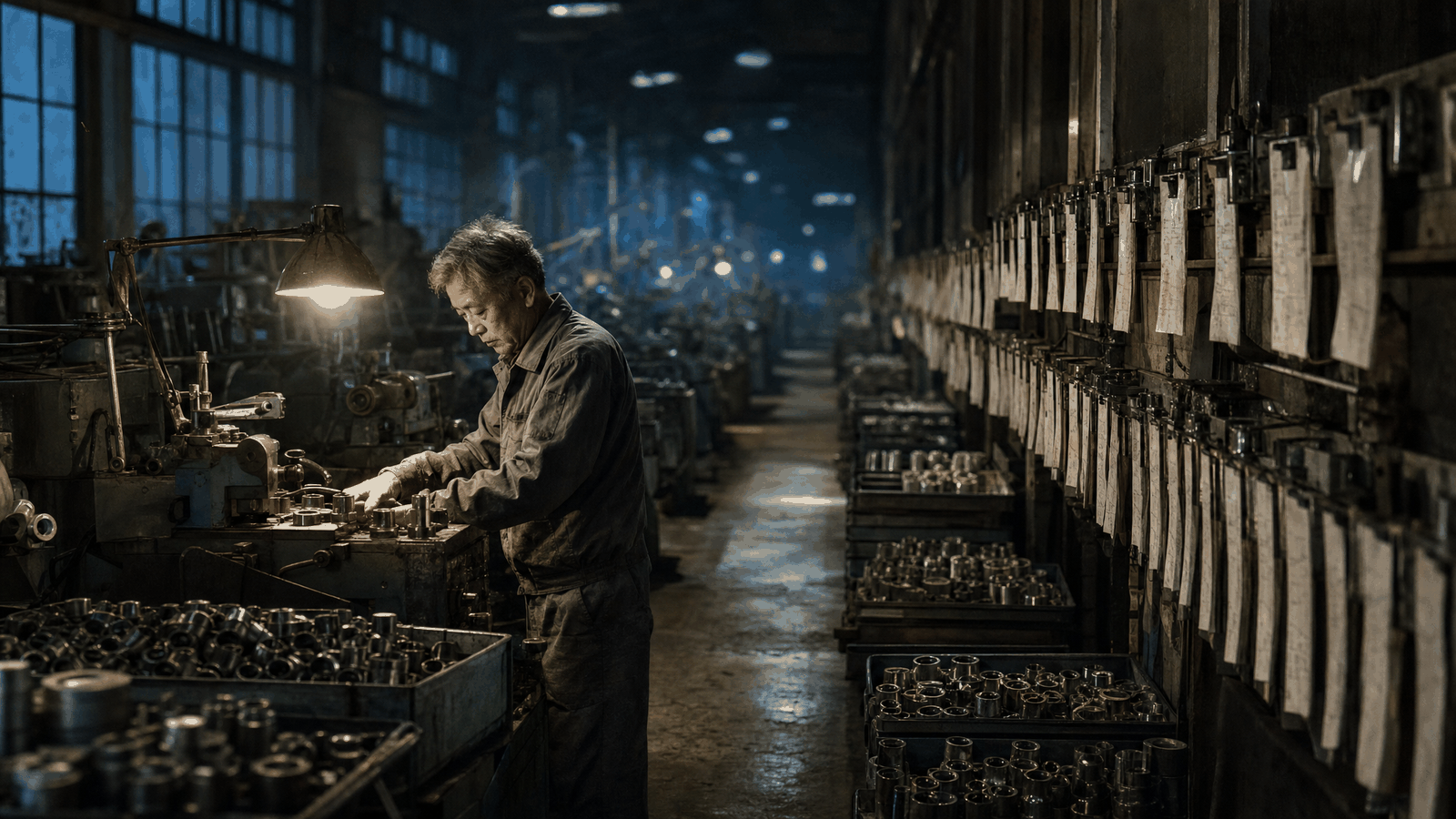
90% Equals Zero: How a Near-Bankrupt Japanese Parts Maker Reached a 20% Operating Margin on Punctuality Alone
On the 2026-10-04 episode of Investor's Sunday, IHARA SCIENCE chairman Takuo Nakano describes taking over a company carrying ¥3.5bn in accumulated losses in 1999 and turning it around through cash-bleed control, receivables conversion, and making profit visible on the shop floor. Personal listening notes, educational only, not investment advice; figures come from the speaker's own recollection with no public filings to check against.
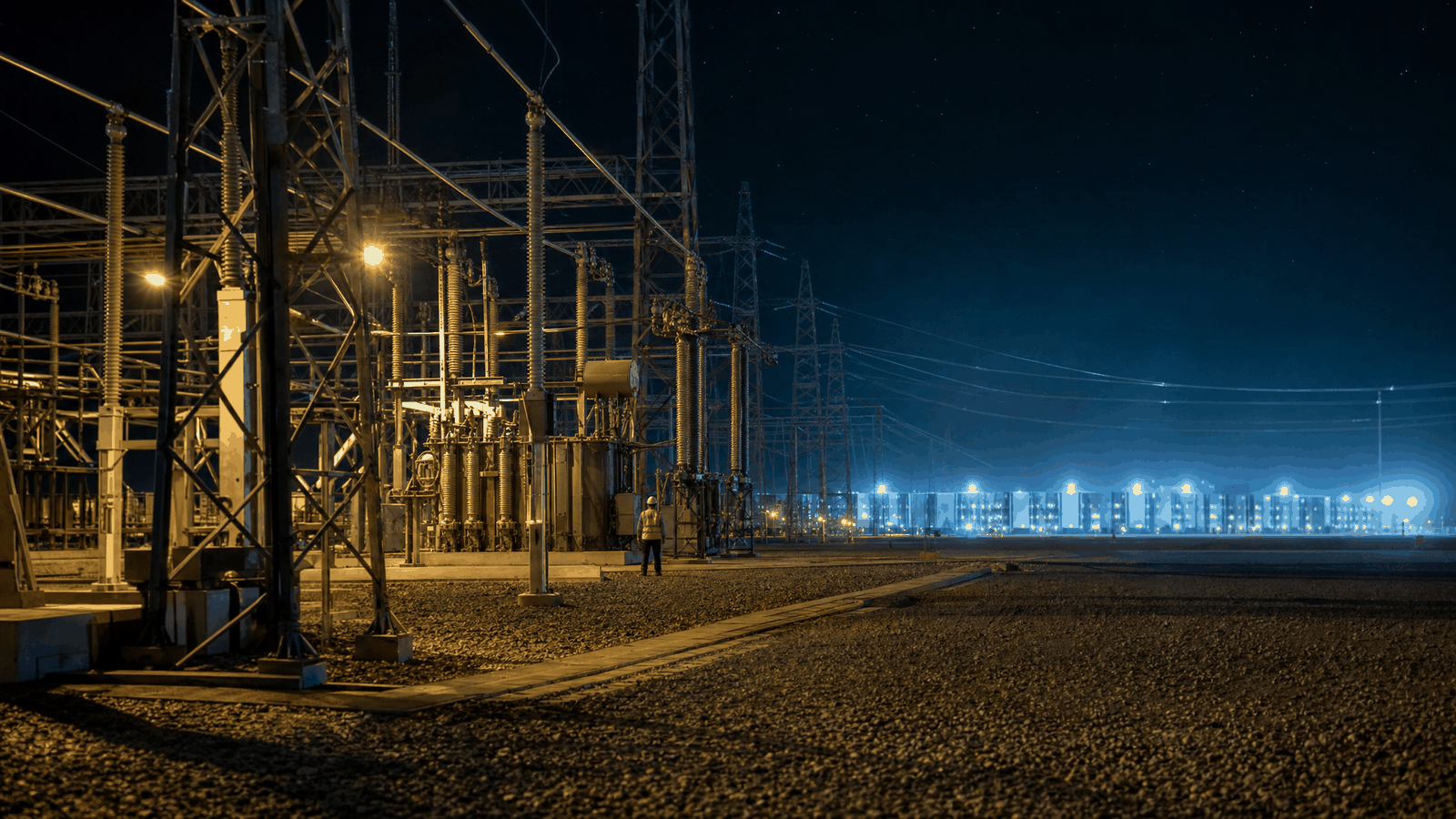
Where Does the AI Supply Chain Go Next? Power Became the Thing That Jams Everything|Notes on MacroMicro EP.216
Notes from the MacroMicro After Meeting Podcast EP.216, recorded 1 October 2026: how the power bottleneck pushes money into chip efficiency instead, how to tell restocking from passive pile-up when inventory value explodes, and why a shortage does not mean pricing power. Educational commentary, not investment advice — no tickers, no price targets.

Running Three AI Coding Agents at Once: What Actually Gets Stuck? Orca's Demo vs. My Own Day Running Three Seats on Windows
In an August 21, 2026 video, Joe Maddalone used the open-source tool Orca to run three AI coding agents in parallel, each in its own git worktree. This post digs into one argument: worktrees fix agents overwriting each other, but not quota and not review, so adding seats moves the bottleneck onto you. Includes a comparison of Orca, herdr and Claude Code's built-in worktree flag, plus the snags I hit running three seats on Windows on September 22. Technical learning notes, not business advice.

We Lost the English Textbook CD, So I Built a Reading Machine from a Webcam and an AI
My kid needed the textbook audio to practice English, and the CD was nowhere to be found. I clipped a webcam onto an old laptop and wrote two tiny scripts with an AI: one takes a photo of the page, the other reads it aloud slowly in a natural offline voice. Here is how it works, how it compares with other options, what it can't do, and the full code at the end so you can use it. A personal write-up.

Is a Free AI Gateway Really Free? Free LLM API vs. OmniRoute, Argued Both Ways: It Depends on What You Send
In a September 4, 2026 video, Joe Maddalone shows Free LLM API stitching the free tiers of thirty-plus AI services into one endpoint, so a coding agent picks its own model and costs nothing, and compares it with OmniRoute. This post makes the strongest case for it, then argues the other side by checking each provider's official terms for the hidden price of 'free', and ends with my own experience routing work across several AI services. A personal technical write-up, not commercial advice.
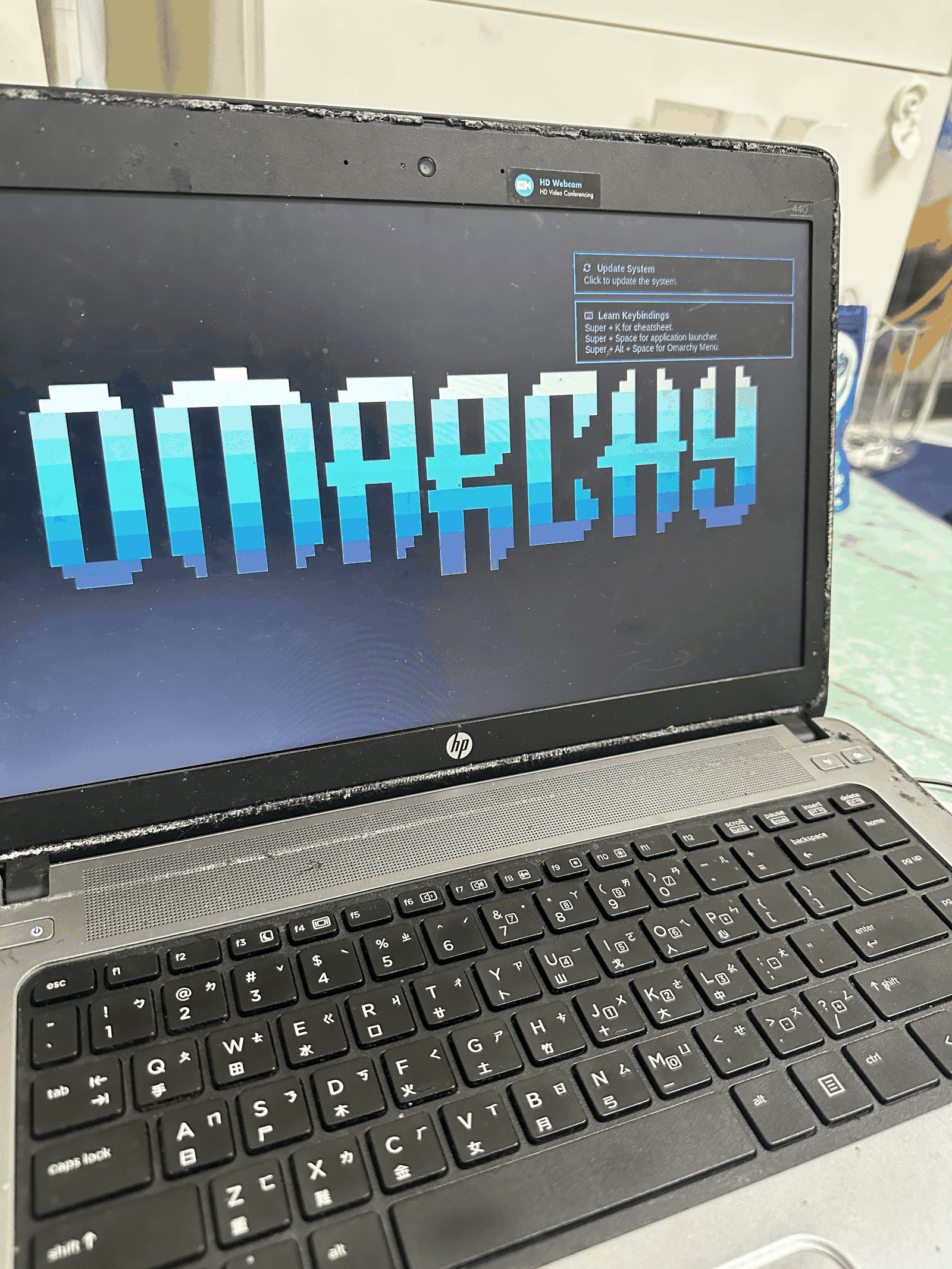
I Let AI Turn My Old Laptop Into a Home AI Server
An old HP laptop still running Windows 7 had been sitting in a drawer. I plugged in an install USB stick, typed a few short commands and entered my own passwords; AI did the rest over SSH from my other computer, installing Arch Linux and Omarchy, full-disk encryption, Tailscale and input methods, while keeping Windows 7 intact. What it did, where it got stuck, what it couldn't do, and the steps if you want to try it. Personal notes.

Is My AI Assistant's Data Safe on DeepSeek? I Read the Privacy Fine Print at OpenCode Go and OpenRouter
In October 2026 I wanted to move my home AI assistant off DeepSeek's official API, mostly for data sensitivity. This is what I found, in order: OpenCode Go costs $10 a month and lists DeepSeek as '0-day retention', but that agreement only runs to October 31; on OpenRouter, 31 providers serve the same DeepSeek V4.1 Flash, 25 of them are on its zero-data-retention list, and DeepSeek's own endpoint is not. Then the math on when a subscription beats pay-as-you-go. Personal notes, not a recommendation for any service.

Renting GPUs on vast, and How It Stacks Up Against RunPod: Booting Up Costs More Than the Rent
Notes from renting cloud GPUs on vast.ai and RunPod in September 2026: an RTX 3090 on vast at $0.22 an hour, 50 images for $0.18; how to choose between the two and where each one bites. A personal write-up, not an endorsement of any service.

EUV Photomasks Are Getting Bigger: Why One 6×12-Inch Plate Stalled for a Decade
Listening notes on Asianometry's 2026-10-01 episode 'EUV Photomasks Are Getting Bigger.' Working from the TSMC–ASML High-NA timeline, it unpacks why the bigger-mask transition is a cost and coordination problem, and the conditions under which that read breaks. Educational notes on industry structure, not investment advice; no tickers, no price targets.

Yields at a 20-Year High, and Taiwan's Market Walks June's Loop Again — Notes on Caibaogou Ep. 568
Episode 568 of the Taiwanese podcast Caibaogou (Oct 1, 2026) on the US 10-year Treasury yield pushing above 5.2%, TSMC evaluating a second Texas campus, the labor squeeze in fab-facilities engineering, and NVIDIA's AI factory certification. An educational listening note that lays out the reasoning and the counter-case; no investment advice, no stock recommendations.

Is Gen Z Cooked? What I Took From Ed Elson's Round With The Compound
On October 2, 2026, The Compound and Friends hosted Ed Elson, co-host of Prof G Markets, for an argument that ran from whether AI is melting kids' brains to houses costing seven times annual income. These are listening notes and educational commentary — no investment advice, no buy or sell calls on any stock.

A Few Hundred Men, Two Empires: The Episode That Moved My Answer From Weapons to Diplomacy
Dwarkesh Podcast, 1 October 2026, with military historian Si Sheppard on how the Spanish toppled the Aztec and Inca empires. Listening notes on single points of failure, consent versus coercion, and the resource curse. Educational, not investment advice.

A $0 AI App? Walking Through Hugging Face Spaces, Then Finding the Three Conditions Behind “Free”
In a September 11, 2026 video, Joe Maddalone built a background-remover app on Hugging Face Spaces in under ten minutes, called it from his own machine through an API, and paid nothing. This post walks through what he did in order, checks the official docs for the three conditions that make "free" work, and compares it with my own cloud GPU rental numbers: when the free quota is enough and when renting a card is the better deal. A technical learning note, not business advice.

In All the Noise, Ask One Thing: Did This Cost Reach Anyone's Paycheck?
MacroVoices #552, October 1, 2026: David Rosenberg on why he won't buy the inflation narrative, what is actually driving real yields, and the November date nobody circles. Listening notes for education, not investment advice.
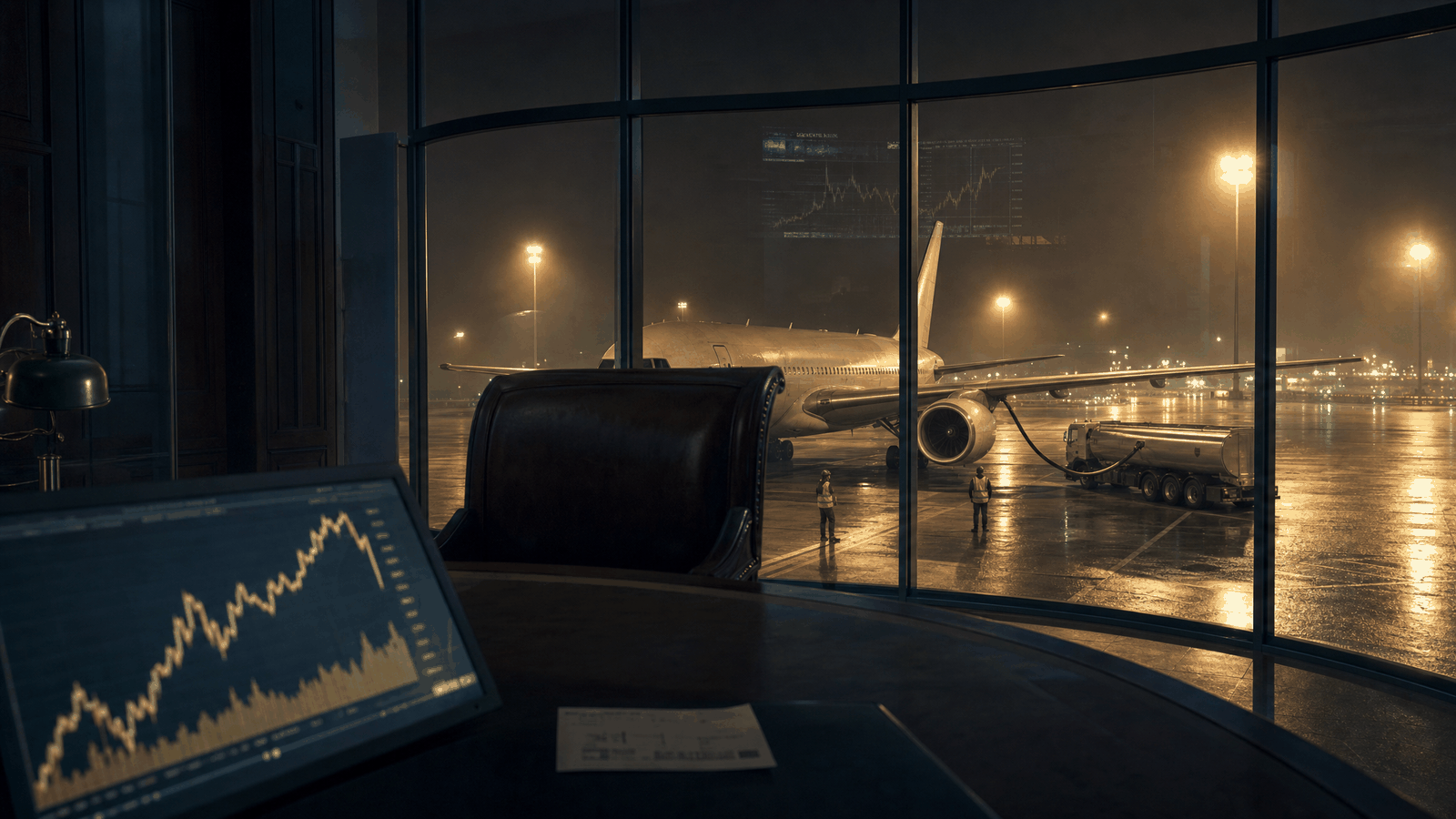
How Airlines Actually Hedge Fuel: The Solution a 44% Cost Line Forced Into Existence
Notes on Bloomberg Odd Lots, 2026-10-02, 'How Airlines Actually Hedge Higher Fuel Prices.' Former Qatar Airways group treasurer David Kang explains how he found the airline was structurally long crude through its fuel surcharge, and built the hedge around it. Educational only; no investment advice and no single-stock recommendations.
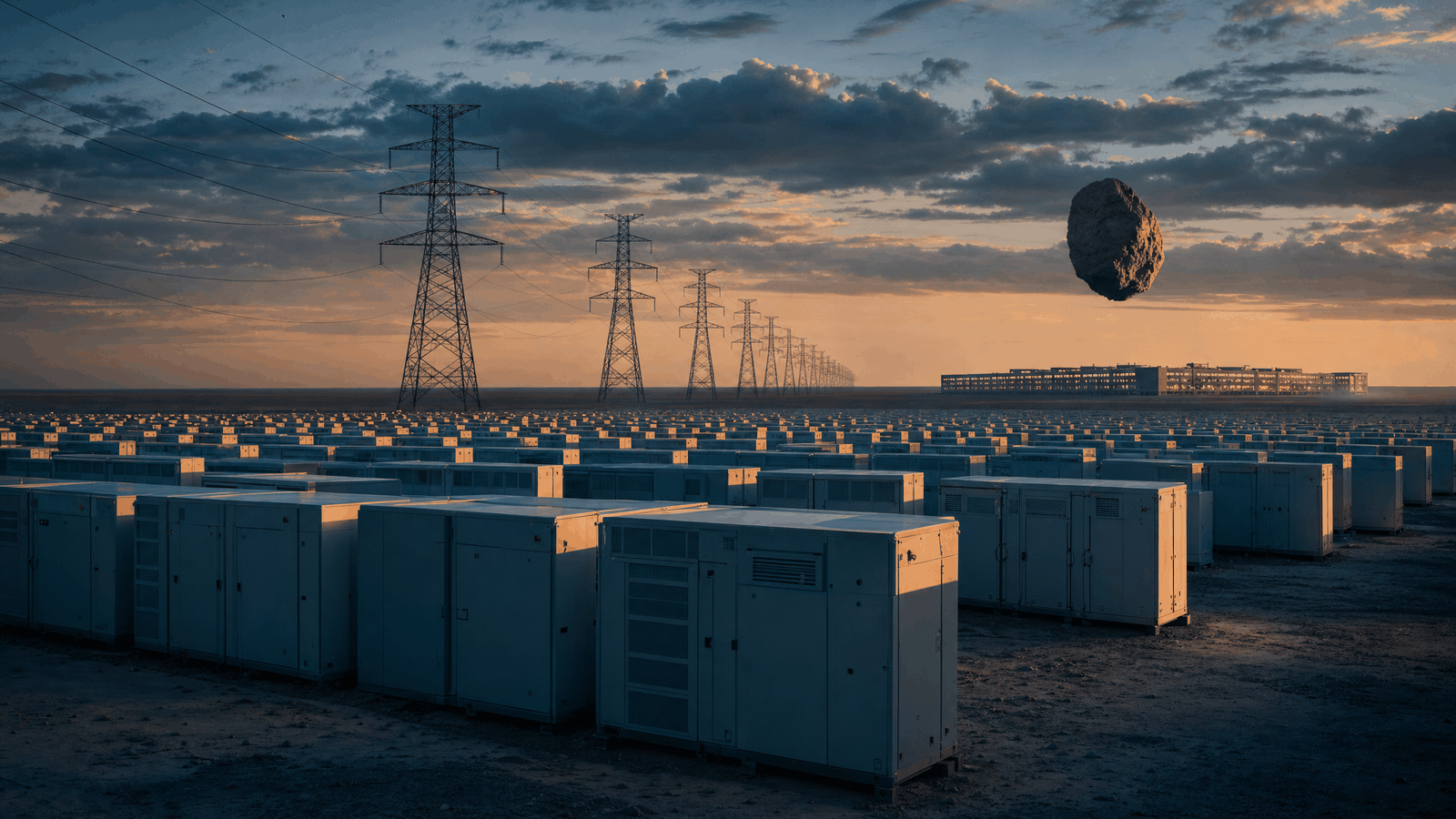
The ERCOT Battery Paradox: Revenue Down 84%, and We Still Need More
The October 1, 2026 episode of Catalyst with Shayle Kann on grid-scale batteries in Texas. Per-kilowatt revenue fell from $200 to $30 while the financing bar sits near $100 — and the market says it needs far more storage. A breakdown of the mechanism, the recovery thesis, and where it breaks. Educational, not investment advice.