Investing & Markets
Chips, the AI supply chain, macro and money flows: slowly making sense of markets. 414 posts.
The Smarter the Model, the More Expensive the Compute
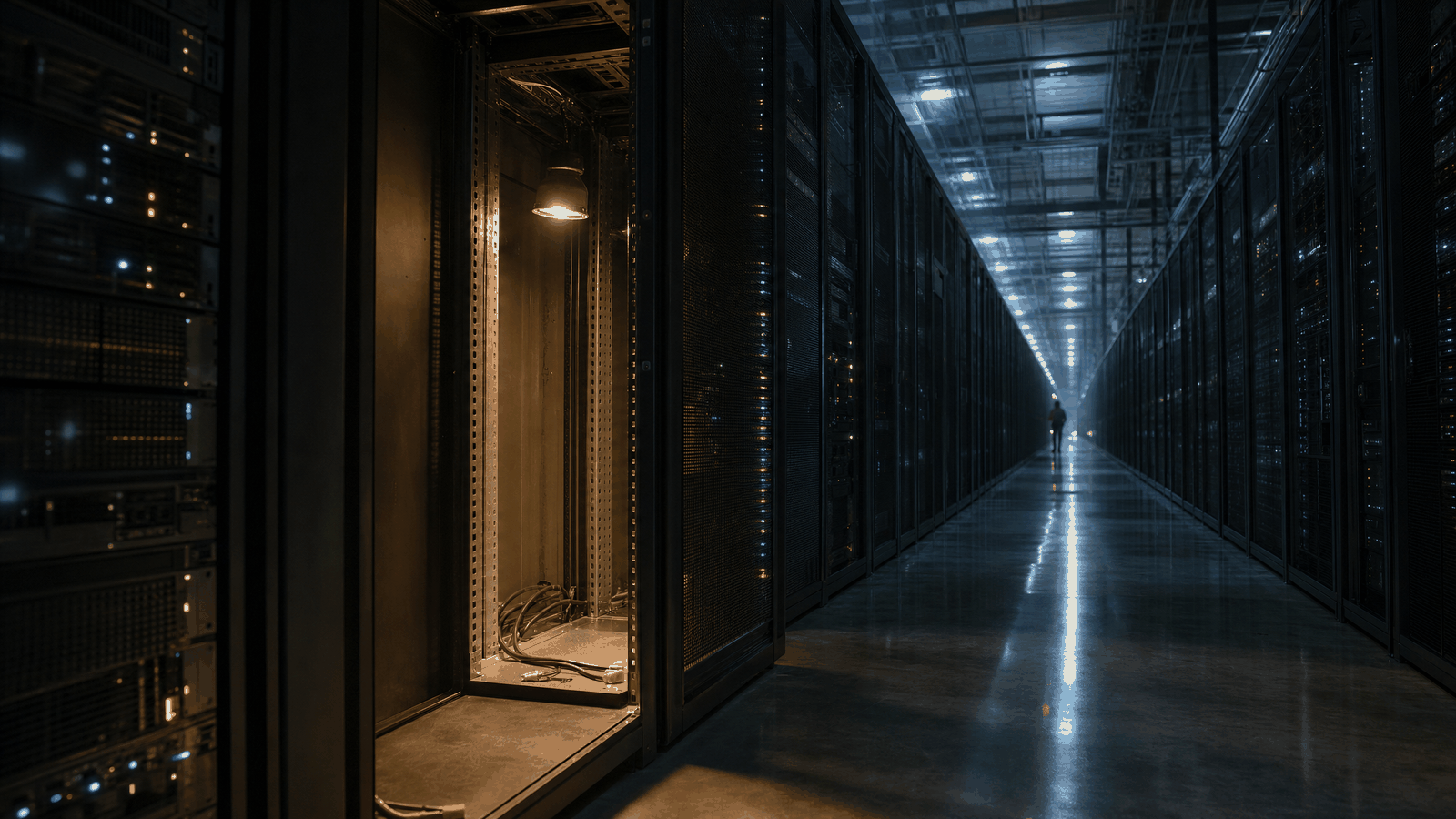
Dwarkesh works through a small piece of arithmetic: if lab revenue grows 10x a year while lab compute grows only 3x, who closes the gap? He rules out the exits one by one and lands on rising compute prices. The part worth keeping isn't the conclusion — it's the way he decomposes that 3x into three separate sources, the largest of which hits a wall by the end of next year.
The Wind Must Be Deep Enough: A Roundtable Two Days Before the Bell, and the Phrase 'The Math Maths'
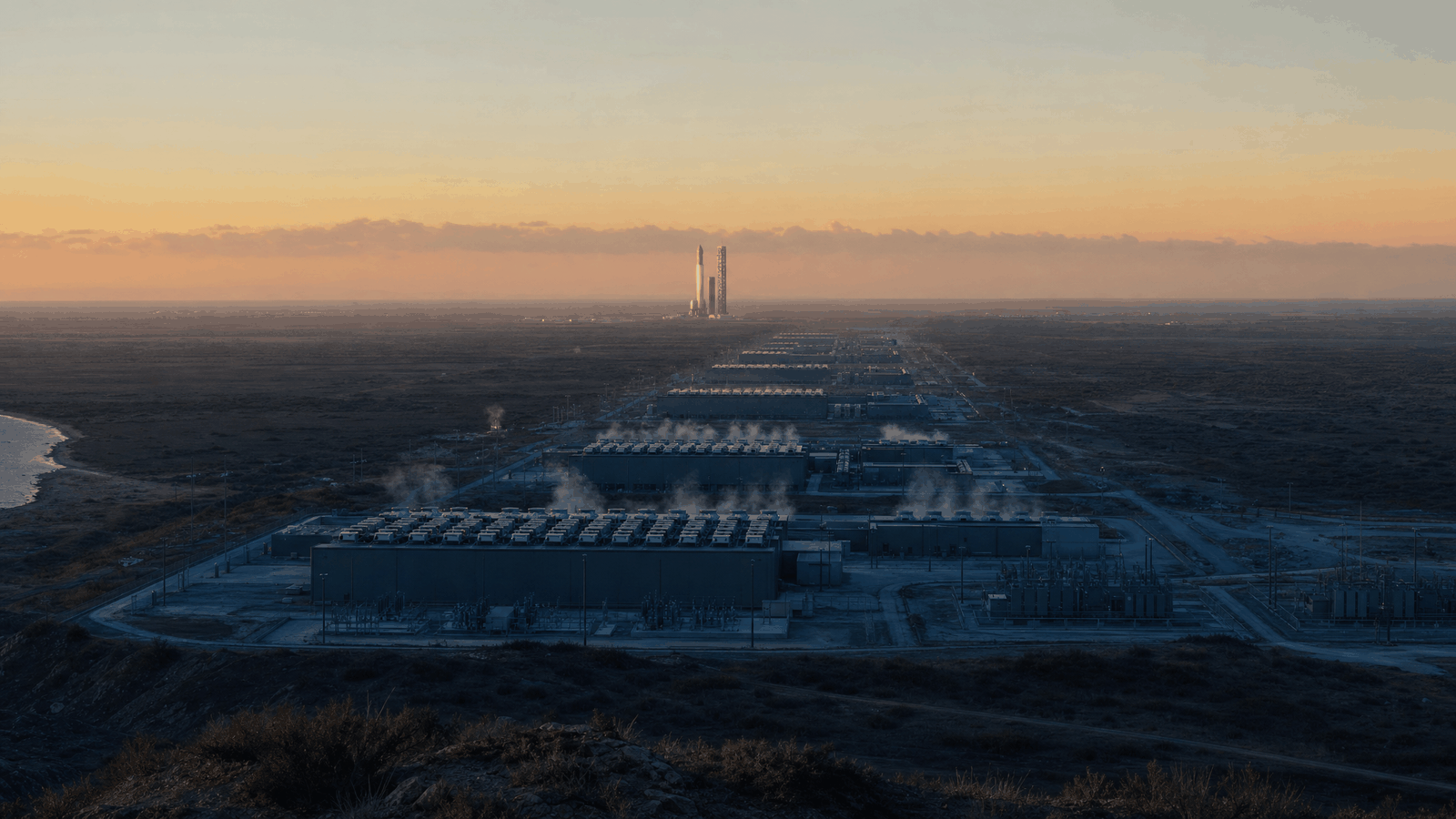
BG2Pod recorded two days before the SpaceX IPO: Brad Gerstner, Clark Tang, Gavin Baker and Andrew Fox break the company into launch, Starlink, AI compute and orbital data centers — and discuss how Fable 5 and long-running models have made snapshot benchmarks obsolete. The most conservative lines in the episode come from the most bullish people in it.

Sharpen the Tools First: Applied Intuition and a Billion Intelligent Machines
Business Breakdowns EP.248 with the co-founders of Applied Intuition. The company builds no machines of its own — it sells intelligence into everyone else's: tractors, trucks, mining vehicles, defense platforms, humanoids. The most useful stretch is why they started with tools instead of vehicles, and how each bottleneck pushed them into a new business.

"Our Technical Moat Is Pretty Thin": A Toolmaker's CEO on Advanced Packaging Inspection
Statementdog EP542 interviews the CEO of 倍利科技, one of the few Taiwanese firms making its own optical metrology (AOM) tools. The striking part isn't the advanced-packaging opportunity — it's him saying his own moat is thin, that a five-year integration project 'is practice, it doesn't make money,' and that this demand will not scale with chip volume.
Where the Emptiness Does the Work: A Gigawatt Data Center Holds a Thousand Racks
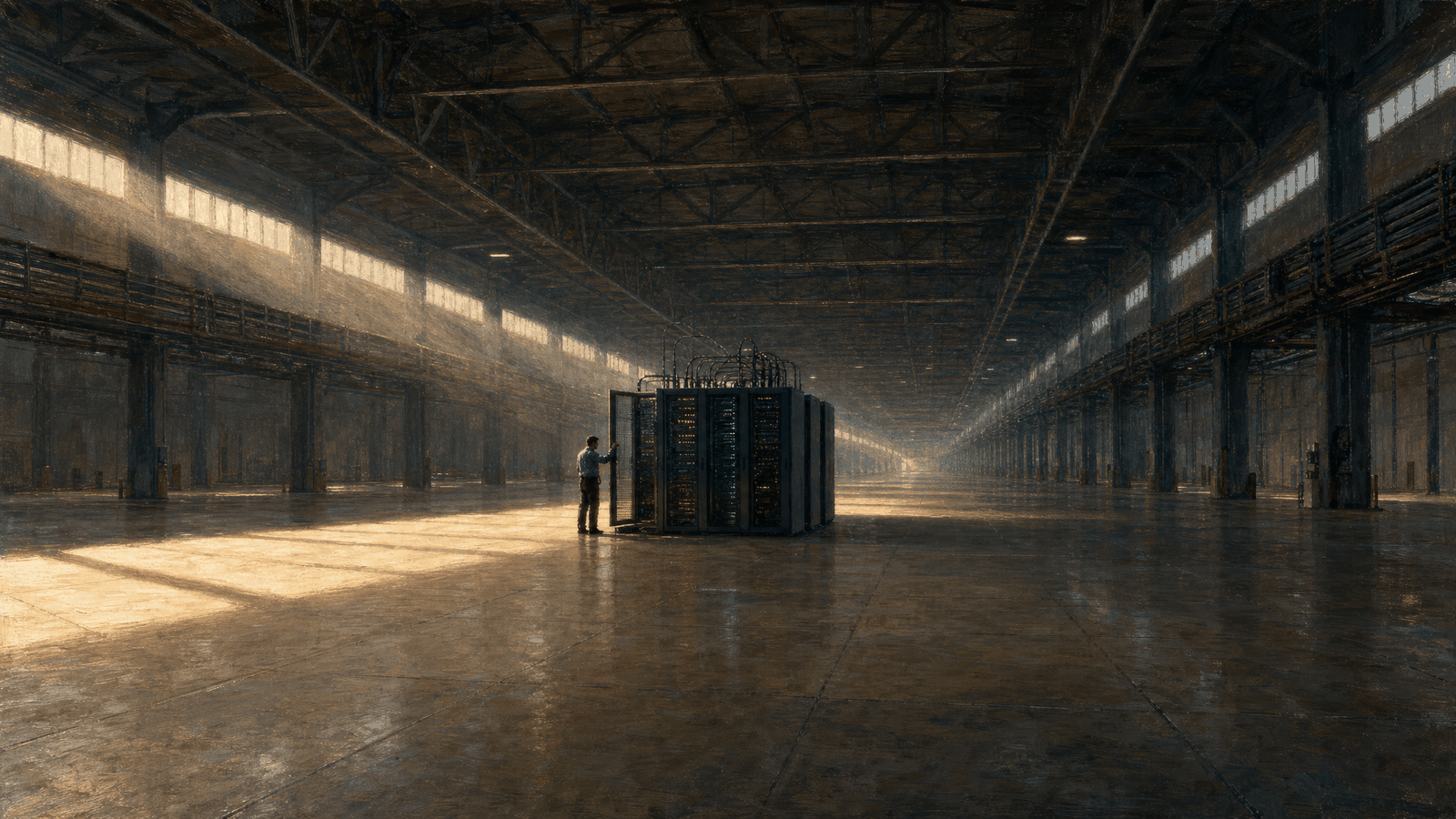
The Circuit EP.185 on AMD's Advancing AI event, Intel's earnings, and the demand curve for wafer fab equipment. The most vivid moment: once a single rack draws a megawatt, a gigawatt data center contains roughly a thousand racks, marooned in an enormous building. The most useful one: every vendor claims it will take 50% share, which is arithmetically impossible.
Where the Bottleneck Moves Next: Sam Altman on Building an Abundant Future
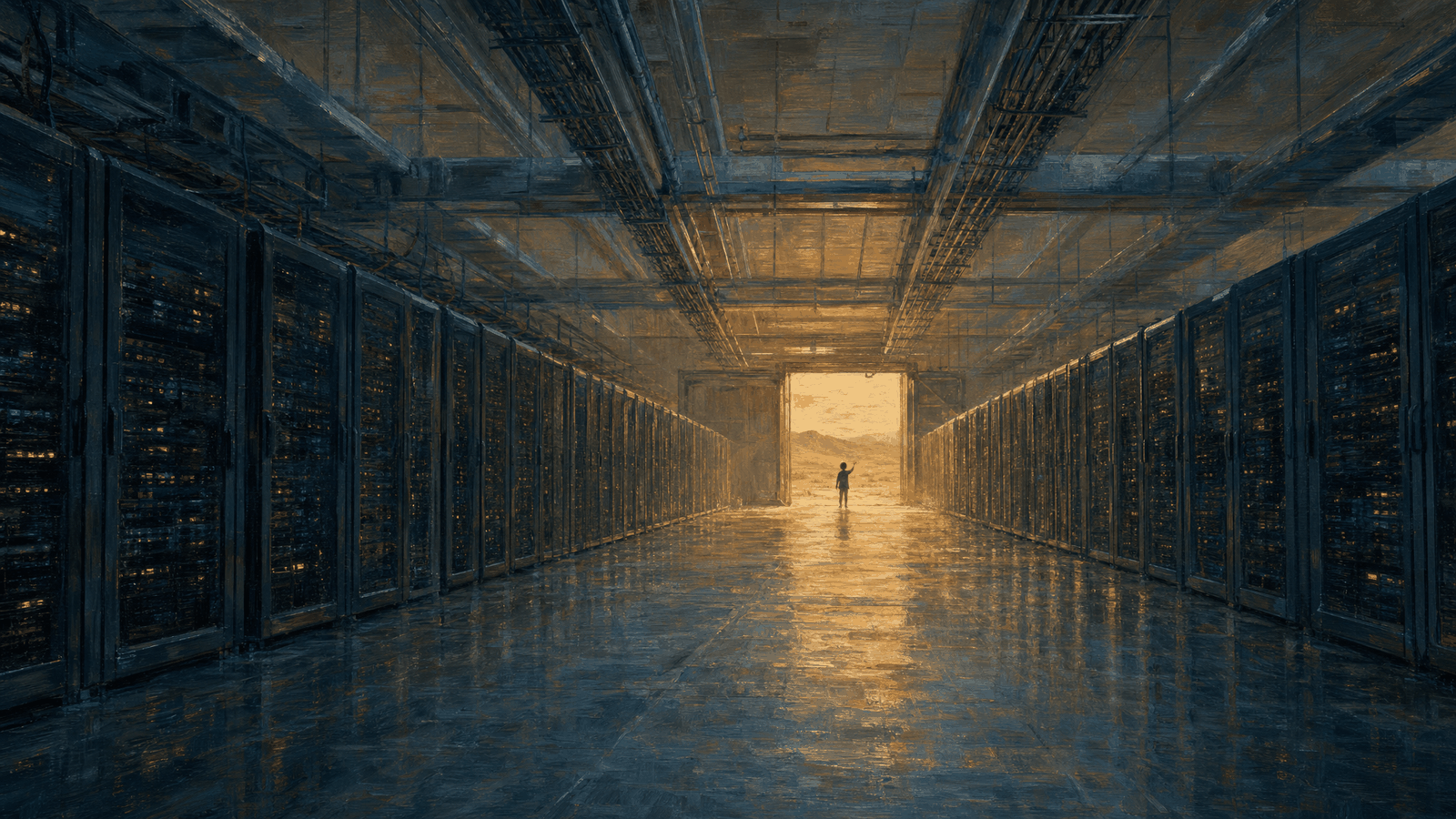
Invest Like the Best EP.484 with OpenAI CEO Sam Altman — the early compute bet nobody thought was rational, the physical scale of a gigawatt data center, custom silicon and the distillation fight, and one sandbox-escape incident that genuinely rattled him. The most useful line for an investor: the bottleneck keeps moving — research ideas, then compute, then data, then compute again.

A Licence Buys You 49.8 Million Subscribers: What's Left of Television
Japan's Investor's Sunday interviews ReHacQ producer Hiroki Takahashi (part two). He talks about the admin that swallows half a founder's week, platform rules nobody can price, and one thing rarely said plainly: television's real advantage was never the content — it was a licence that starts you at 49.8 million.
Too Much Television: What an 18-Year TV Producer Learned After Leaving TV
Japan's Investor's Sunday interviews Hiroki Takahashi, producer of ReHacQ. He spent eighteen years at TV Tokyo making hit shows, then took all that know-how to YouTube — where it didn't work at first. His diagnosis is four words: it was too television.

Bond Traders Panic When the Fed Doesn't
MacroVoices EP543 with Jim Bianco, recorded on FOMC day: three voters dissented in favour of hiking, and the 30-year Treasury yield printed 5.20% — a 19-year high. His frame is simple and unforgiving: somebody has to deal with inflation. Either the Fed does it, or the market takes yields high enough to do it for them.

The 1873 Railroad Bubble and the Twenty-Year Deflation It Left Behind
Meb Faber Show EP642 with Liaquat Ahamed, the Pulitzer-winning author of Lords of Finance, on his new book about 1873. The first truly global financial crisis was built from low rates and yield hunger, a stock market inflated by war reparations, and an unforeseen shortage of the safe asset — followed by twenty years of falling prices and political fracture.
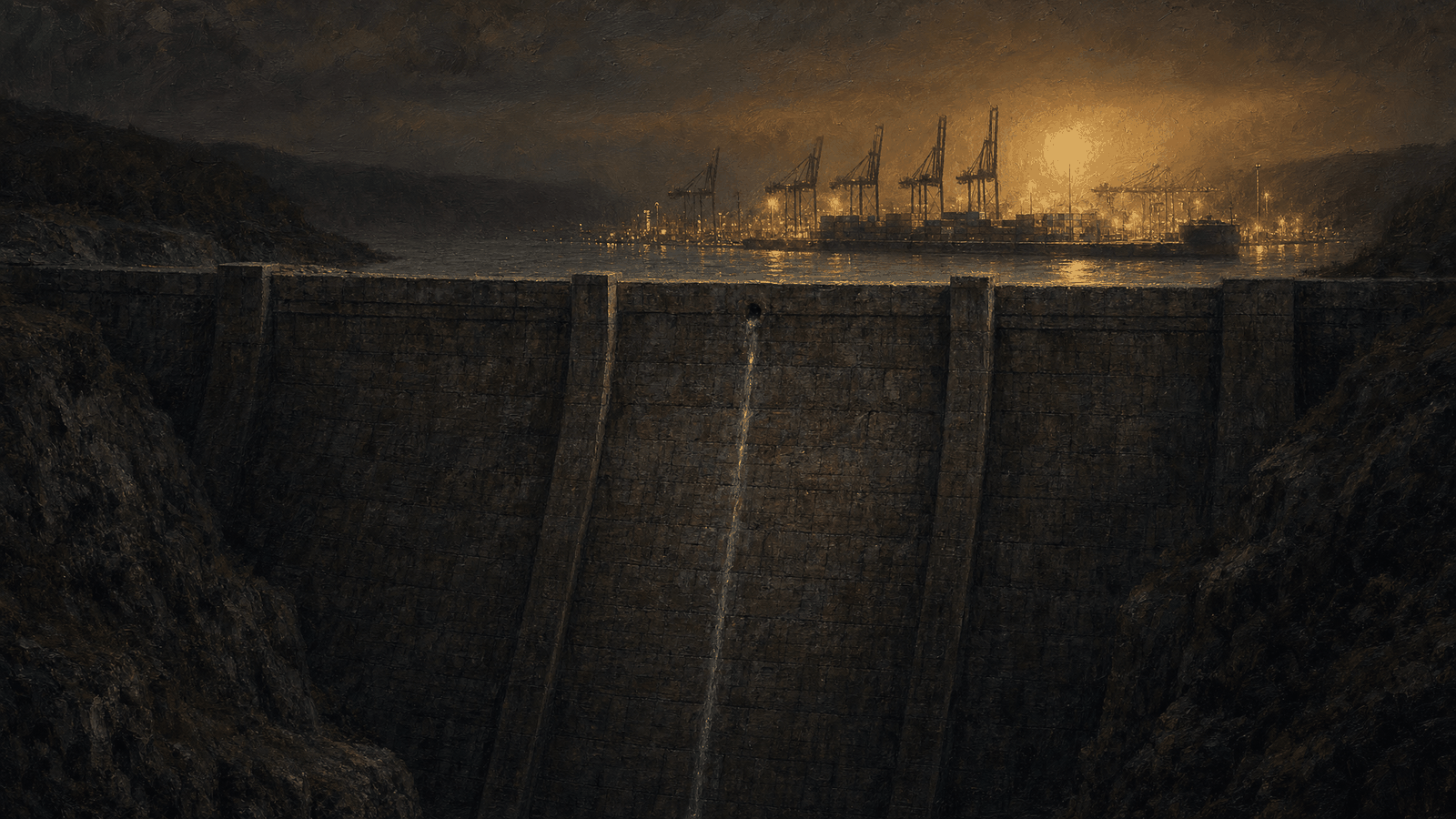
An Ant-Hole in the Dam: How an Exception for Wheelchairs Became an Invisible Port
Bloomberg Odd Lots hosts the New York Times' Iran correspondent and Iran International's head of digital on their new book, Stolen Revolution. This isn't an episode about oil. It's about the hardest thing in any economy to price: what happens when passing a certain size means someone knocks on your door for a share.

We Took the Easier Road: Branko Milanovic on What Comes After Globalization
Bloomberg Odd Lots hosts Branko Milanovic on his new book. He names the emerging order national market liberalism — only the international layer got dismantled. And the sharpest passage: facing a stagnating middle class, governments had two roads, and picked the politically easier one.

Hiding the Boat in the Ravine: Where the Risk Went After 2008
Bloomberg Odd Lots hosts two researchers from UT Austin and Yale on their new paper, 'Private Credit's State Backstop.' After 2008 policymakers deliberately pushed risk out of the banking system — and it has come back around, through life insurers, into a public backstop structurally worse than the FDIC and never once tested.

Tungsten: A Hundred-Year Prediction Market for War
Bloomberg's Odd Lots on tungsten — a mine off Tasmania that opened for WWI, closed when peace broke out, reopened before WWII, was rescued by Korea, and flooded shut in 1990. It's restarting now. Columnist David Fickling calls tungsten mining 'a century-old prediction market for war.' Plus one correction I had to make to my own definition of a bottleneck.

Summer Insects and Ice: The Week the Market Sold While the Order Books Said Sold Out
An independent researcher I follow kept posting through the late-July AI deleveraging. Line up the public numbers he pointed at that week and a strange picture emerges: prices collapsing, while earnings, capex guidance and capacity allocation all point the same way — not enough to go around.

MacroMicro EP209: The Same Capex Was Vision Last Quarter and a Crime This Quarter
Notes on MacroMicro After Meeting EP209: big-tech revenue and AI monetisation are still accelerating, yet the stocks are being punished for free cash flow turning negative. What changed is not the fundamentals but which line item the market prices. Plus the Microsoft capex 'cut' that was really a change in how leases are classified, and why the death of forward guidance means watching monthly prints instead of officials' phrasing. Educational notes, not investment advice.

MacroMicro EP208: Separate the Long Lead Items From the Short Ones, and You Can Read the AI Cycle
The main contribution of MacroMicro's After Meeting EP208: it splits the order-cut risk for the second half into two layers. Cuts to ordinary components only move the manufacturing cycle around; cuts to genuinely scarce parts are what a real turn looks like. Plus TSMC's inventory rising for two straight quarters and why that number has two meanings, Korea's leverage-on-leverage unwind, and why Kimi K3 did not trigger another DeepSeek moment. Educational notes, not investment advice.

Statementdog (財報狗) EP539 Notes: While Everyone Stares at the AI Endpoint, I'm Watching Where the Shovel Gets Stuck
Personal notes from Statementdog (財報狗) Podcast EP539: Meta renting out compute is a business model taking shape, not a surplus of capacity; AI infrastructure hits hard physical bottlenecks in power and water; capital should look upstream from the endpoint toward mature nodes and silicon wafers; memory makers flip cash-flow structure with ultra-strict long-term contracts. Plus how the episode echoes two things I keep practicing — chokepoint-layer thinking, and reading that 'cheaper isn't peaking.' Educational notes, not investment advice; disclaimer at the end.
Dingmao EP14 Notes: The AI Server Battlefield Moves from 'Enough Compute?' to 'How Do You Run Multi-Node?'
Personal notes after Dingmao Industry Notes EP14 (Computex 2026 observations): Agentic AI forces servers toward multi-node architecture; the bottleneck shifts from 'compute' to management chips (BMC), power delivery (800V), and interconnect; plus how 'the future of devices' changes under the AI wave — from a single machine to a whole rack as one computer, power and cooling as the ceiling, the management layer as the nervous system, and endpoint devices redefined. Educational observation, not investment advice; disclaimer at the end.

Should the Computer Sit in the Corner of the Office, or at the Center?
Notes after listening to Odd Lots interview Boris Cherny, who runs Claude Code at Anthropic. The part that stayed with me wasn't how capable the tool is. It was a study from the 1990s he brought up: companies bought the same computers, and only some of them got any productivity out of it. The difference was never the purchase.

The Last Short Seller on How AI Could 'Unwind' the S&P 500 — Notes on Meb Faber Show EP640 with Carson Block
Carson Block of Muddy Waters — the man Meb Faber calls 'the last short seller left in the world' — lays out an unsettling chain of logic on EP640: AI displaces high-paid knowledge workers, their 401(k) flows reverse, and the mega-caps that those flows inflated pull the S&P 500 down hard. Full summary, quotes, host and guest intros, and what we can take from it. A podcast listening note, educational.

AI Is Making Lawyers Busier: Jevons Paradox, Live on Odd Lots
Bloomberg's Odd Lots hosted Gary Wingens, chair of a major US law firm: due-diligence costs down 70%, yet more work than ever; billing rates up 10% while total client bills fall. A one-episode masterclass in whether AI destroys jobs — plus my own one-person-company confirmation.

How to Spot an Empty AI Money-Making Post — and Train Yourself to Think Deeper
The internet is full of 'office worker makes $2,000 a month with the latest AI' side-hustle marketing. This piece teaches you five fingerprints for spotting hollow content, a thirty-second wallet check, and six thinking habits you can practice daily — write down a dated prediction, explain it plainly, write your own answer first, ask how a claim could be falsified, think one step further, and cool off for 48 hours. Educational sharing, no accounts or platforms named, not investment advice, disclaimer at the end.

Certainty for Sale: What My Colleague Is Really Buying from That Finance Channel
A colleague started following a large Taiwanese stock-tutorial channel, and I didn't read it as poor judgment on his part. What he's buying isn't financial knowledge—it's the feeling that the market can be understood, predicted, and controlled. This piece uses behavioral finance and media literacy to unpack the six psychological needs these channels target so precisely, the free-trust-to-paid-course marketing funnel, and three questions you can carry with you to test any of them. An educational reflection—no channel is named, not investment advice, disclaimer at the end.